 Kept
Love bombing: what it means and how to tell it apart from real feelings
Love bombing is when someone overwhelms you with intense affection, flattery, gifts and talk of the future very early on, often in a way that makes you feel you owe them your time and commitment. It can feel wonderful at first. The warning sign is the speed and pressure, especially if warmth turns to sulking or anger when you set a boundary.
Where the term comes from
The phrase was used decades ago to describe how some groups recruited new members by surrounding them with constant warmth and attention. It later moved into everyday language about relationships, where it describes a similar pattern: so much affection, so fast, that it becomes hard to think clearly or say no.
What love bombing looks like
Love bombing isn't the same as someone being keen. The difference is in the intensity, the pace and what happens when you don't keep up. Here are a few realistic examples.
- After one date: “I've never felt like this about anyone. I think you might be the one.” followed by dozens of messages the same evening.
- In week two: “Let's go away together next month, I've already looked at places.” before you've met their friends or know their surname.
- When you say you're busy: “I thought we had something special. I guess I care more than you do.”
How to spot love bombing
Real attraction can be exciting and fast, so it helps to look at the whole picture rather than one sweet message. These signs, especially in combination, suggest something other than a happy crush. Our guide to red flags in a relationship covers related patterns.
- Big declarations very early, such as soulmate talk, “I love you” or plans to move in.
- Constant messaging that you feel you must answer straight away.
- Expensive or frequent gifts that feel out of proportion to how long you've known each other.
- Pressure to drop other plans, friends or conversations with other people.
- Sulking, guilt or anger when you set a small boundary or need time alone.
- Hot and cold swings: intense affection, then withdrawal, then intense affection again.
- You feel swept along rather than choosing each step.
Why it can be hard to see from the inside
Love bombing works because it feels good. Being adored, messaged constantly and told you're special is flattering, especially after a lonely spell or a painful break-up. It's natural to want to enjoy it rather than question it.
That's why friends often spot it first. If people close to you say “This is moving really fast” or seem uneasy, take it seriously rather than defending the relationship straight away. You can still like someone and agree that the pace deserves a closer look.
Another useful check is how much of your own life is left. If within a few weeks you're seeing less of friends, skipping hobbies and planning your days around their messages, the relationship is taking up more room than its age justifies.
Love bombing or a genuine crush?
Someone who is simply keen will still respect your pace. If you say “I'm enjoying this, but I'd like to take it a bit slower”, a person with real feelings might feel a little disappointed, but they'll adjust. Someone who is love bombing is more likely to push back, make you feel guilty or ramp up the affection to win you back over.
Consistency is the other test. Healthy interest is steady over weeks and months. Love bombing often peaks early and changes once you're committed. Compare it with the green flags in a relationship, which tend to be calm rather than dramatic.
What to do if you think you're being love bombed
You don't need to accuse anyone. Slowing down is enough, and how they react will tell you a lot.
If you feel pressured, frightened or controlled, talk to someone you trust. In the UK, Refuge's National Domestic Abuse Helpline is free on 0808 2000 247, and in an emergency call 999.
- Set the pace out loud: “I really like you, and I want to get to know you properly before we plan trips.”
- Keep your usual routine, friendships and hobbies going.
- Decline big gifts politely if they feel like too much: “That's really kind, but I'd honestly rather just see you.”
- Talk it over with a friend who will be honest with you.
- Notice their reaction to “no”. Respect is a good sign; guilt-tripping is not.
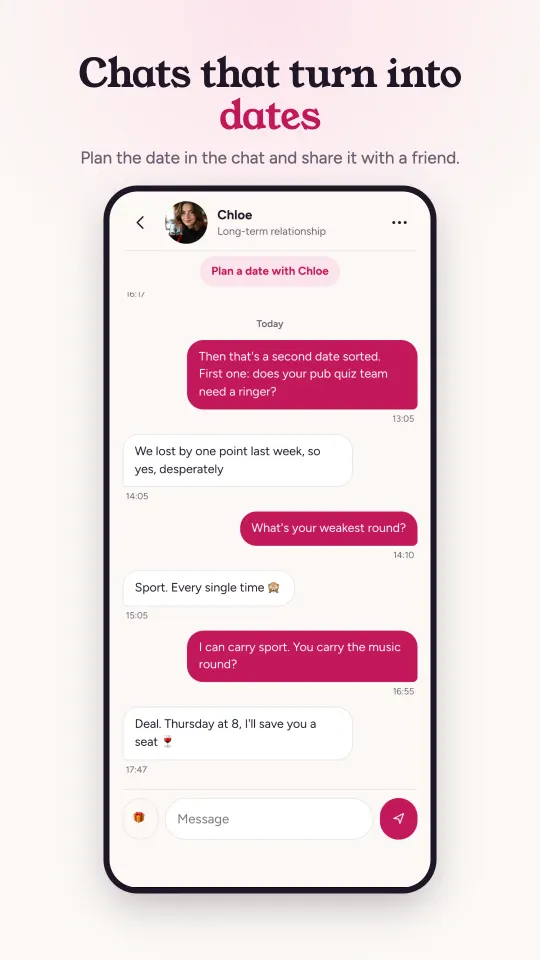
- On a dating app, keep chatting there until you feel sure, and share date plans with a friend.
Keeping early dating grounded
A slower, more structured start makes love bombing easier to notice. Meeting on video before an in-person date, planning dates in public places and telling a friend where you'll be all help. On Kept, you can plan the date in the chat and share the plan with a friend in one tap, and after the date a private check-in asks how it went.
Questions people ask
Is love bombing always deliberate?
Not always. Some people rush because they're anxious or excited. What matters is whether they respect your pace once you ask them to slow down.
How long does love bombing last?
There's no set time, but it often happens in the first weeks or months. It may return in cycles after arguments or when the person feels you pulling away.
Can you love bomb someone without realising?
Yes. If you tend to move very fast, check in with the other person and let them set some of the pace.